Tactical index / Editorial strategy guide
Cross Training: turn Bonds into permanent value
Pair operators deliberately, grow Bonds through shared activity, and spend Focus without hollowing out role coverage.
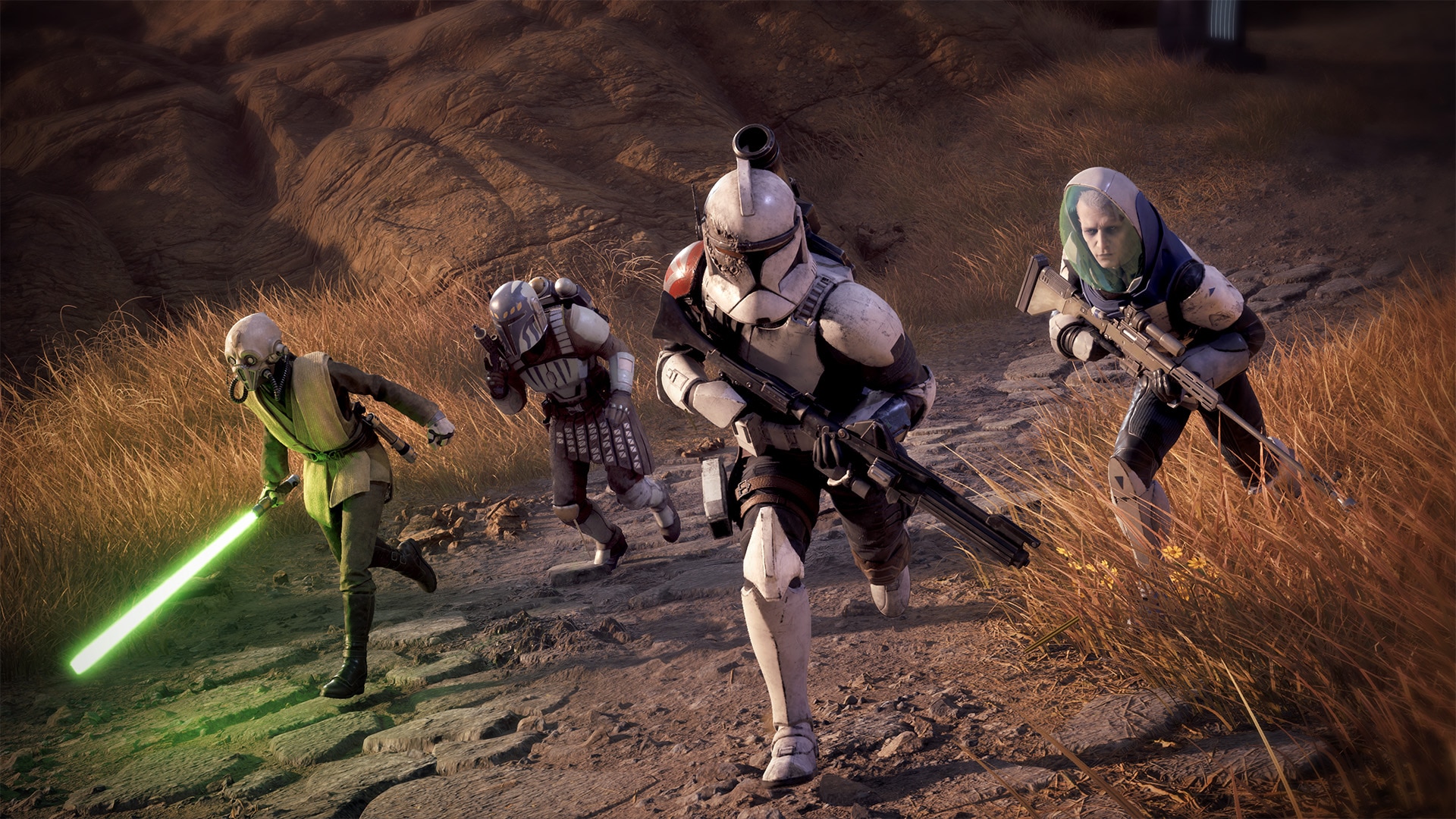
01Verified game rule
Bonds grow through shared Operations, Tactical Missions, and Call for Backup; Cross Training grants a permanent stat bonus.
Pair operators deliberately, grow Bonds through shared activity, and spend Focus without hollowing out role coverage.
Can every operator survive the enemy response and still reach the next objective?
02Decision signals
Editorial tactical model
03Tactical procedure
Use this procedure as a decision order, not a rigid script. Re-check it whenever a hit misses, reinforcements arrive, or the objective changes.
- 01Pair operators deliberately, grow Bonds through shared activity, and spend Focus without hollowing out role coverage.
- 02Bonds grow through shared Operations, Tactical Missions, and Call for Backup; Cross Training grants a permanent stat bonus.
- 03Choose one anchor pair whose shared missions and Backup assists already fit the plan. Raise that Bond first, then rotate one partner at a time.
- 04Is useful AP, Advantage, a Utility, or Call for Backup being left unused?
04Field scenario
Choose one anchor pair whose shared missions and Backup assists already fit the plan. Raise that Bond first, then rotate one partner at a time.
05Common failure modes
Spreading every mission across new pairs delays Cross Training thresholds; never fielding the bench creates permanent bonuses on a roster too injured to deploy.
Can every operator survive the enemy response and still reach the next objective?
Confirmed rules are separated from editorial recommendations. No invented mission data or unverified drop tables are published.
06End-of-turn checklist
- 01Bonds grow through shared Operations, Tactical Missions, and Call for Backup; Cross Training grants a permanent stat bonus.
- 02Choose one anchor pair whose shared missions and Backup assists already fit the plan. Raise that Bond first, then rotate one partner at a time.
- 03Can every operator survive the enemy response and still reach the next objective?
- 04Is useful AP, Advantage, a Utility, or Call for Backup being left unused?
08Mission preparation worksheet
For a squad topic, assign jobs before choosing favorites: objective interaction, scouting, control, damage, Rally, and safe extraction. One operator may cover several jobs, but every essential job needs a named backup or contingency. Check effective ranges and action order as well as specialization labels. A powerful individual is a weak selection when the rest of the team must spend extra AP correcting that operator’s positioning or missing role.
Start by converting the guide into a written mission intent: one required outcome, one acceptable loss limit, and one extraction condition. Then inspect the squad, equipment, injuries, Bonds, and available resources against that intent. A plan is incomplete if it names the preferred action but not the operator who performs it, the AP needed to complete it, and the square or facility state where that operator should finish.
Separate confirmed mechanics from your current assumptions. Confirmed rules can support the plan; assumptions must be tested with the smallest reversible action available. Reveal a lane before committing the whole squad, preview a shot before spending AP, and check the Holotable or The Den before paying Credits. This order protects the campaign from decisions based on an attractive reward, a favorite operator, or an unverified interaction.
Choose one anchor pair whose shared missions and Backup assists already fit the plan. Raise that Bond first, then rotate one partner at a time.
Spreading every mission across new pairs delays Cross Training thresholds; never fielding the bench creates permanent bonuses on a roster too injured to deploy.
09Three-phase execution plan
Pair operators deliberately, grow Bonds through shared activity, and spend Focus without hollowing out role coverage.
Opening phase: gather information without closing options. Identify the objective, enemy control lanes, safe end positions, and the action that must remain available. Move or interact with the operator who reveals the most useful information first. Avoid exhausting one operator while the rest of the squad is still waiting, because new line-of-sight, reinforcements, or objective changes can invalidate the original sequence.
Commitment phase: spend resources only after the route and target are verified. Compare the proposed action with a lower-cost alternative, then sequence support before damage and control before exposure. Use the displayed interface values rather than memory when range, hit chance, AP cost, treatment time, mission expiry, or reward thresholds matter. Preserve at least one response to a miss, a Downed operator, or a blocked route.
Closing phase: stop chasing marginal value once the objective or campaign purpose is secured. Recheck extraction, cover, remaining AP, injuries, Credits, Intel, and the next cycle before confirming the final action. A good close leaves the squad able to absorb one unfavorable result. If success depends on every uncertain roll working, return to the previous decision and reduce exposure instead of accepting a fragile finish.
10Decision gates and contingencies
Use a simple gate before every irreversible commitment: does this action advance the objective, reduce the largest immediate threat, or preserve a scarce campaign resource? If the answer is no, delay it. When two actions pass the gate, choose the one that reveals more information or keeps more follow-up options. This prevents low-value attacks, unnecessary purchases, and roster choices that feel active but do not improve the mission state.
Define the abort condition before acting. Examples include losing the safe extraction route, exposing the only Rally operator, reaching the Advantage cap without a planned spender, using the last recovery slot, or committing Credits needed for a critical treatment. When the condition occurs, change route, substitute an operator, use a cheaper action, or restart the tactical test. Continuing only because resources were already spent compounds the original error.
Choose one anchor pair whose shared missions and Backup assists already fit the plan. Raise that Bond first, then rotate one partner at a time.
Stop or change courseSpreading every mission across new pairs delays Cross Training thresholds; never fielding the bench creates permanent bonuses on a roster too injured to deploy.
11Practice drill and review
Practice this topic on a low-pressure opportunity and change only one variable at a time. Record the initial state, the chosen action order, the displayed costs or probabilities, and the final position. On a retry, change the route, first operator, AP reserve, target priority, or purchase—but never all of them together. A controlled comparison teaches which decision created the result and produces a reusable rule for harder missions.
After the mission, review three moments: the first new information, the first irreversible commitment, and the point where extraction or recovery became certain. Note what was known at each moment and what was merely assumed. Keep the rule that consistently improved position or resource efficiency; discard a tactic that worked only because every roll succeeded. The goal is a repeatable process, not a highlight turn.
- 01Bonds grow through shared Operations, Tactical Missions, and Call for Backup; Cross Training grants a permanent stat bonus.
- 02Choose one anchor pair whose shared missions and Backup assists already fit the plan. Raise that Bond first, then rotate one partner at a time.
- 03Spreading every mission across new pairs delays Cross Training thresholds; never fielding the bench creates permanent bonuses on a roster too injured to deploy.
- 04Confirmed rules are separated from editorial recommendations. No invented mission data or unverified drop tables are published.
12Field FAQ
Should I follow the sequence exactly?
No. Treat it as a decision order, not a scripted set of clicks. Preserve the objective, safety, and resource checks, then adapt the individual actions to terrain, enemy placement, operator availability, and campaign state. If new information changes the risk, pause and rebuild the remaining sequence instead of forcing the original plan.
How do I know the plan is improving?
Compare objective progress, exposed operators, AP left after the key action, scarce resources spent, and recovery required afterward. Improvement means achieving the same or better outcome with a safer final position and fewer forced costs. Damage alone is a weak measure when the mission can be won through interaction, control, survival, or extraction.
Primary sources
Confirmed rules are separated from editorial recommendations. No invented mission data or unverified drop tables are published.